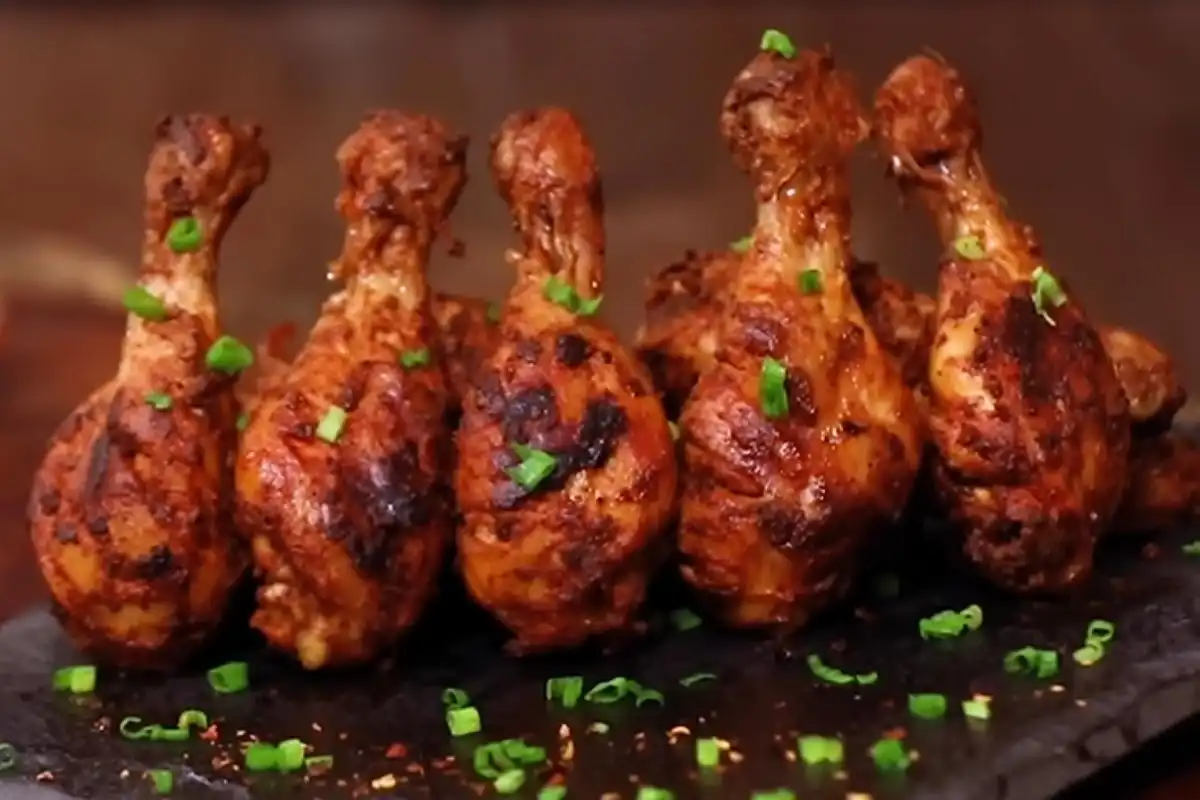

Chicken stew is a hearty, braise-style one-pot dish built from bone-in chicken pieces simmered low and slow in a savory broth with root vegetables. It belongs to the broader family of braised poultry dishes found across American home cooking, drawing on classic French and rustic European traditions. The cooking method relies on gentle, sustained heat to coax collagen from the chicken bones, which thickens the broth naturally and gives the finished stew its characteristic body.
A single serving delivers roughly 38 grams of protein and falls between 320 and 380 calories, making it a satisfying option for high-protein meal planning. The dish is naturally gluten-free when thickened with a cornstarch slurry instead of flour, and it adapts easily to dairy-free and low-carb eating patterns. It is well suited to Sunday batch cooking, cold-weather weeknight dinners, and anyone who wants a filling, nutritious meal with minimal hands-on effort.
Chicken stew pairs naturally with crusty sourdough bread or a bowl of fluffy white rice, and it shares technique and pantry overlap with chicken soup, which makes it a logical next recipe to explore once the stew is in your rotation.
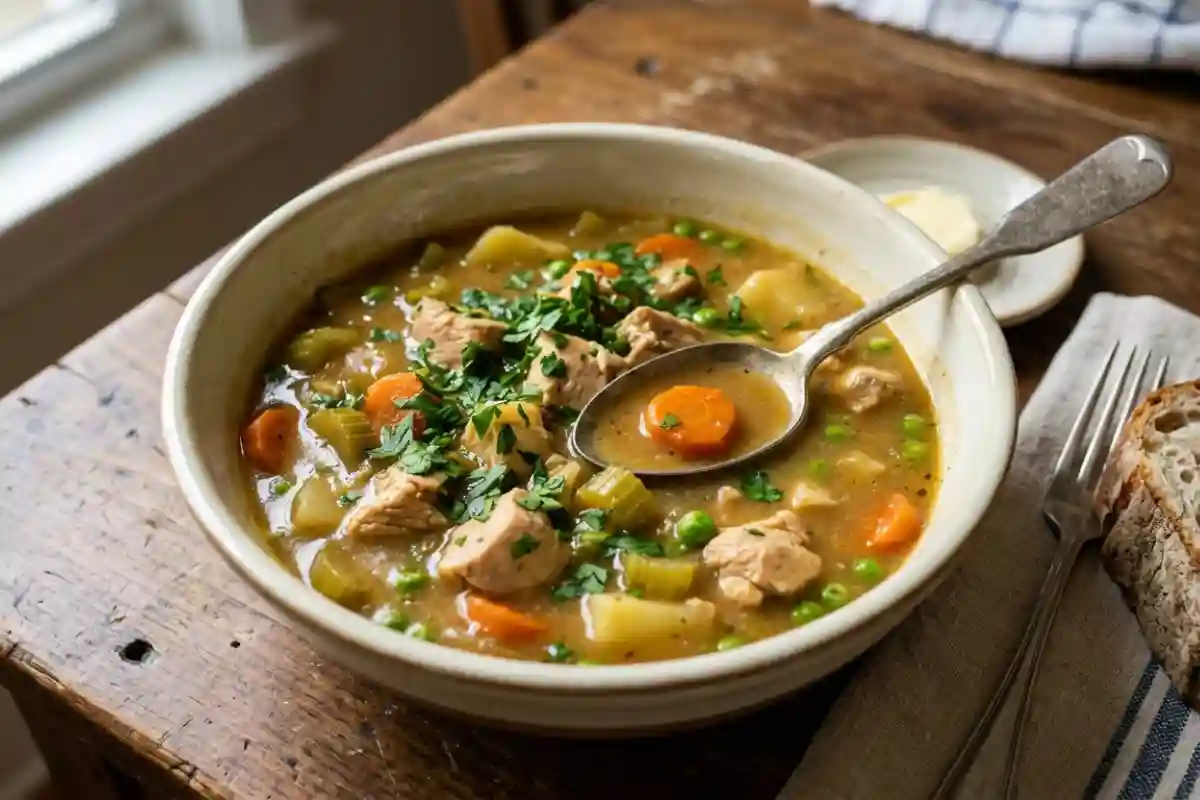
Chicken Stew
Ingredients
Equipment
Method
- Season the Chicken: Pat the chicken thighs and drumsticks completely dry with paper towels, then season both sides with 0.75 teaspoon of the sea salt and 0.25 teaspoon of the black pepper. Drying the surface removes excess moisture, which is critical for achieving a proper sear rather than steaming the meat in the pan. Set the seasoned pieces aside on a plate while you heat the pot.
- Sear the Chicken: Heat 2 tablespoons of oil in a 6-quart Dutch oven over medium-high heat until the oil shimmers and a drop of water flicked in sizzles immediately, about 2 minutes. Arrange the chicken pieces skin-side down in a single layer and sear without moving them for 6 minutes, until the skin is deep golden brown and releases cleanly from the pot. Flip and sear the second side for 4 minutes. Transfer the seared pieces to a clean plate; the rendered fond left in the bottom of the pot is the flavor foundation for the entire stew.
- Saute the Aromatics: Reduce the heat to medium and add the diced onion, carrots, and celery to the same pot, scraping up any browned bits from the bottom as the vegetables release their moisture. Cook the aromatics, stirring occasionally, for 6 minutes until the onion is translucent and beginning to soften at the edges. Add the minced garlic and cook for 1 additional minute, stirring constantly, until fragrant and pale gold. This layered building of aromatics creates the savory base the broth will absorb during the long simmer.
- Build the Broth Base: Push the vegetables to the sides of the pot and add the tomato paste to the cleared center. Cook the tomato paste, pressing it against the hot surface for 2 minutes, until it darkens slightly from bright red to a deep brick color and smells faintly caramelized. Stir in the thyme, rosemary, and bay leaf, coating the vegetables evenly. Pour in the chicken broth and stir well, scraping any remaining fond from the bottom of the pot to incorporate it fully into the liquid.
- Return the Chicken and Add Potatoes: Nestle the seared chicken pieces back into the pot skin-side up, along with any accumulated juices from the resting plate. Add the halved baby Yukon Gold potatoes, pressing them gently into the liquid so they are at least partially submerged. Season the broth with the remaining 0.25 teaspoon of salt and 0.25 teaspoon of black pepper. The chicken should be partially above the broth surface so the skin remains exposed to steam rather than becoming waterlogged.
- Simmer the Stew: Bring the pot to a gentle boil over medium-high heat, then reduce the heat to low so the liquid maintains a slow, steady simmer with occasional small bubbles breaking the surface. Cover the pot with a lid left slightly ajar and cook for 45 minutes, until the chicken is fully cooked through and registers 74°C / 165°F on an instant-read thermometer inserted at the thickest part away from the bone. The potatoes should be completely tender when pierced with a fork, and the broth should have reduced slightly and taken on a rich amber color from the fond and tomato paste.
- Thicken the Broth: Transfer the chicken pieces to a plate and remove the bay leaf from the broth. In a small bowl, whisk together 2 tablespoons of cornstarch and 3 tablespoons of cold water until completely smooth with no lumps. Return the pot to medium heat and bring the broth to a gentle simmer, then pour in the cornstarch slurry while stirring continuously. Cook for 3 minutes, stirring, until the broth thickens enough to coat the back of a spoon lightly. The stew should look silky and cohesive, not watery or pasty.
- Finish with Peas and Serve: Return the chicken pieces to the thickened stew and stir in the thawed peas. Cook over medium-low heat for 2 minutes until the peas are heated through and bright green. Taste the broth and adjust the seasoning with additional salt if needed. Ladle the stew into wide, shallow bowls, making sure each portion includes a piece of chicken, a generous scoop of vegetables, and ample broth.
Notes
People Ask Question
What cut of chicken is best for chicken stew?
Bone-in, skin-on chicken thighs and drumsticks are the most practical cuts for stew because their higher fat and collagen content keeps the meat moist during the long simmer and enriches the broth naturally. Chicken breast meat can work, but it dries out quickly when cooked beyond 74°C / 165°F, so it requires a much shorter simmer and produces a leaner, less silky broth. A combination of thighs and drumsticks delivers the best balance of meat yield, flavor depth, and texture. Bone-in pieces are strongly preferred over boneless because the bones release gelatin into the broth as they cook, which gives a finished stew its characteristic body without requiring extra thickeners.
How do you thicken chicken stew without flour?
A cornstarch slurry is the most reliable gluten-free method for thickening chicken stew. Combine 2 tablespoons of cornstarch with 3 tablespoons of cold water, whisk until smooth, then stir the mixture into the simmering broth and cook for 3 minutes until the starch activates and the liquid turns glossy and viscous. Arrowroot starch works as a direct substitute in equal measure and produces a slightly clearer result. Alternatively, mashing a few of the cooked potatoes against the side of the pot and stirring them back into the broth is a completely starch-additive-free technique that adds body and a subtle creaminess to the finished stew.
How long should chicken stew simmer on the stovetop?
Bone-in chicken pieces need a minimum of 45 minutes of gentle simmering over low heat to cook through completely and allow the broth to develop full flavor. The target internal temperature for all chicken cuts is 74°C / 165°F, which you should verify with an instant-read thermometer inserted at the thickest point away from the bone. Simmering at too aggressive a boil, rather than a calm, low simmer, will tighten the muscle fibers in the chicken and produce dry, stringy meat even if the temperature is correct. Keeping the lid slightly ajar during the simmer allows some moisture to escape, concentrating the broth and intensifying the savory flavor without reducing it so aggressively that the pot runs dry.
Can you make chicken stew in a slow cooker?
Chicken stew adapts well to a slow cooker, with one important adjustment: sear the chicken and saute the aromatics in a skillet on the stovetop before transferring everything to the slow cooker. Skipping the sear results in a pale, flat-tasting broth because the Maillard reaction that develops during high-heat browning is the primary source of deep, roasted flavor. Cook on the low setting for 6 hours or on the high setting for 3 hours, until the chicken reads 74°C / 165°F. Stir in the cornstarch slurry during the final 20 minutes with the slow cooker set to high to thicken the broth before serving.
What vegetables work best in chicken stew?
Carrots, celery, onions, and potatoes form the classic American base for chicken stew because they hold their shape and texture through a 45-minute simmer without turning mushy. Yukon Gold potatoes are particularly well suited because their waxy, lower-starch flesh stays firm and intact where a russet would break apart and dissolve into the broth. Parsnips, turnips, and peeled butternut squash are excellent cold-weather additions that bring subtle sweetness and a natural starch that contributes to broth body. Delicate vegetables like zucchini, peas, spinach, or green beans should only be added in the final 2 to 5 minutes of cooking to preserve their color, texture, and fresh flavor.
Why does my chicken stew broth taste bland?
A bland broth is almost always the result of one of three issues: under-seasoning the chicken before searing, skipping or rushing the tomato paste step, or using low-quality or heavily diluted store-bought broth. Tomato paste cooked directly against the hot pan surface for 2 minutes caramelizes its natural sugars and adds layers of umami that lift the entire dish. Using low-sodium broth and controlling your own salt additions throughout the cooking process gives far more control over seasoning than using a pre-salted broth. If the stew still tastes flat after adjusting salt, a teaspoon of Worcestershire sauce or a small splash of apple cider vinegar stirred in at the very end can brighten the broth and bring the flavors into focus.