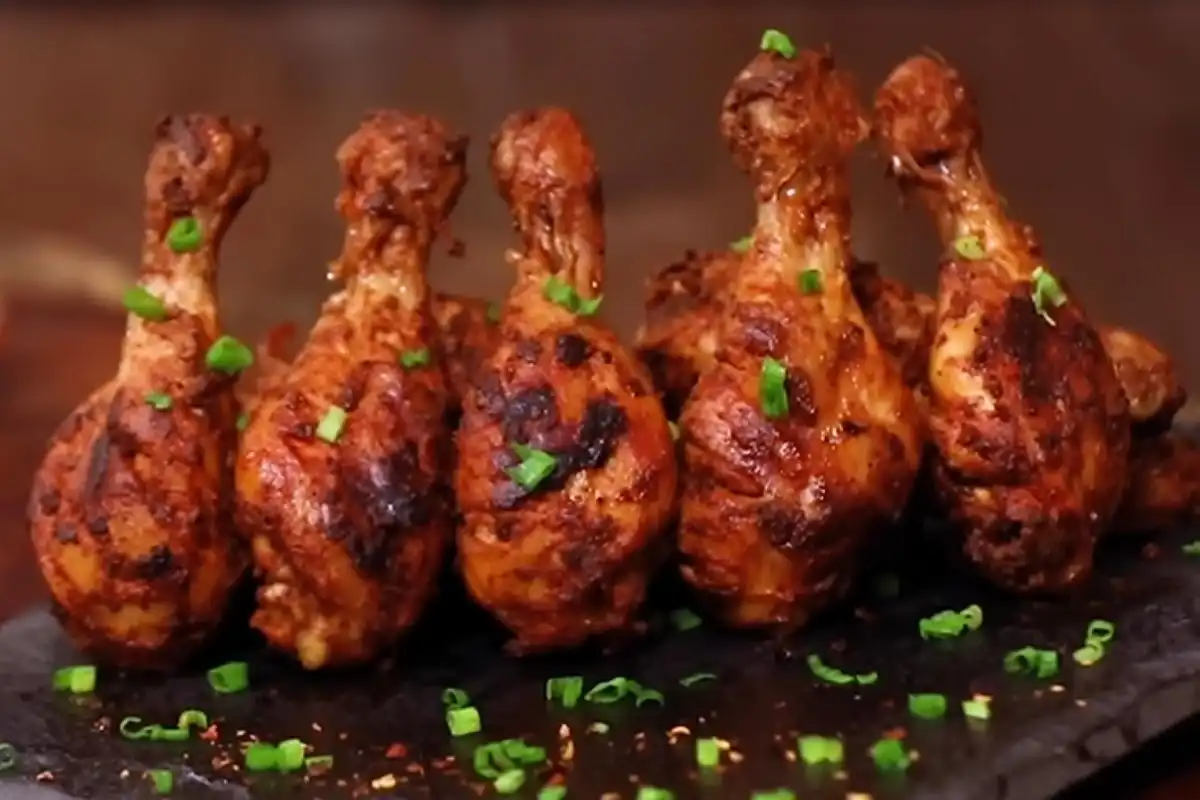

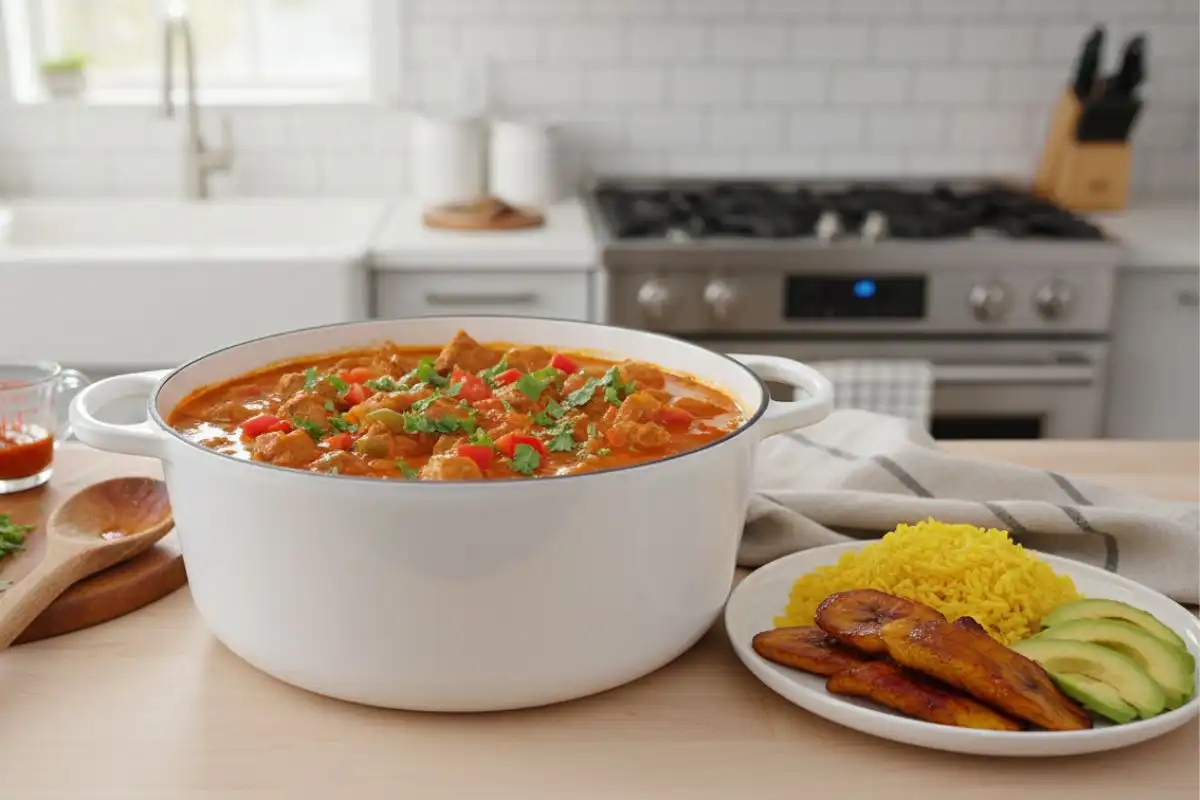
Seco de Chivo is a traditional Ecuadorian goat stew where marinated goat simmers low and slow in a garlicky, cumin-spiced sauce colored with achiote. The stew gets its tangy, bright flavor from chicha, beer, or citrusy naranjilla blended with tomatoes, peppers, cilantro, and a touch of panela for sweetness. The result is tender, fall-apart goat in a thick, red-orange sauce, usually dished up with yellow rice, fried ripe plantains, and creamy avocado for a full Ecuadorian-style plate.
Seco de Chivo (Ecuadorian Goat Stew) Recipe
Slow-braised Ecuadorian goat stew cooked in a tangy achiote-tomato-cilantro sauce with beer and panela, served with rice and sweet plantains.
Ingredients
Equipment
Method
Marinate The Goat
- Place the goat pieces into a large mixing bowl set on the counter and pat them dry with paper towels using your hands.
- Add minced garlic, ground cumin, dried oregano, salt, and 1 cup beer to the bowl, then mix everything thoroughly with a wooden spoon so the goat is coated in the marinade.
- Cover the bowl tightly with plastic wrap and place it in the fridge for 60 minutes so the meat starts to tenderize and soak up the seasonings.
Start The Refrito
- Set a large heavy pot or Dutch oven on the stove over medium heat and pour in the vegetable oil using a measuring spoon.
- When the oil looks hot and shiny, sprinkle in the ground achiote and stir with a wooden spoon for 30 seconds until the oil turns a bright reddish-orange color.
- Add the chopped red onion and green bell pepper to the pot and cook, stirring often with the spoon, for 8 minutes until the onion is soft and lightly golden.
Blend The Sauce
- Place the chopped tomatoes, cilantro, and chili pepper into a blender pitcher sitting on the counter.
- Pour 1 cup beer and orange or lulo juice into the blender using a measuring cup, then blend on high until the mixture is completely smooth.
- Carefully pour the blended sauce into the pot with the softened onion and pepper, stirring with the wooden spoon to combine everything into a bright, fragrant base.
Brown And Braise The Goat
- Use tongs or your hand with a spoon to lift the goat pieces from the marinade in the bowl, letting extra liquid drip back, and add the meat to the pot in an even layer.
- Stir the goat in the pot over medium heat for 10 minutes with the wooden spoon until the pieces lose their raw color and pick up light browning around the edges.
- Pour the reserved marinade from the bowl into the pot, then add grated panela, ground allspice, salt, and 1½ cups water with a measuring cup, stirring well with the spoon.
- Bring the stew up to a gentle boil over medium-high heat, then turn the heat down to low, cover the pot with its lid, and simmer for 150 minutes, stirring every 20 minutes so nothing sticks.
Finish The Seco
- After the simmering time, check a piece of goat by lifting it out with a spoon and pressing it with a fork on the cutting board; it should feel very tender and pull away from the bone.
- If the sauce looks too thin, simmer the stew uncovered on low heat and stir with the wooden spoon until it thickens into a glossy, spoon-coating consistency.
- Taste the sauce, adjust the salt if needed using a measuring spoon, then stir in a handful of chopped cilantro and serve the Seco de Chivo hot with yellow rice, fried plantains, and avocado.
Notes
- Use bone-in goat pieces for deeper flavor; the bones enrich the stew and help the sauce cook down into a richer, more gelatinous texture that feels silky on the tongue.
- If you cannot find chicha or lulo juice, a mix of beer and orange juice gives similar acidity and sweetness, keeping the stew bright and helping tame any strong goat taste.
- Toasting achiote in oil at the start gives the seco its signature red-orange color and a gentle earthy note; be sure to stir constantly so the achiote does not burn and turn bitter.
- Panela or brown sugar balances the tart beer and citrus, so do not skip it; adjust the amount slightly if your juice is very sweet or your beer tastes extra bitter.
- Keep the simmer low and steady rather than boiling hard; slow, gentle cooking breaks down tough goat fibers and leaves the meat tender instead of dry or stringy.
- For classic Ecuadorian plating, scoop a mound of yellow rice on a plate, ladle Seco de Chivo beside it, and add fried ripe plantains and avocado slices for color, sweetness, and creaminess.